

Nankai University Holds Summary Conference for the 50th Anniversary of Its Environmental Discipline
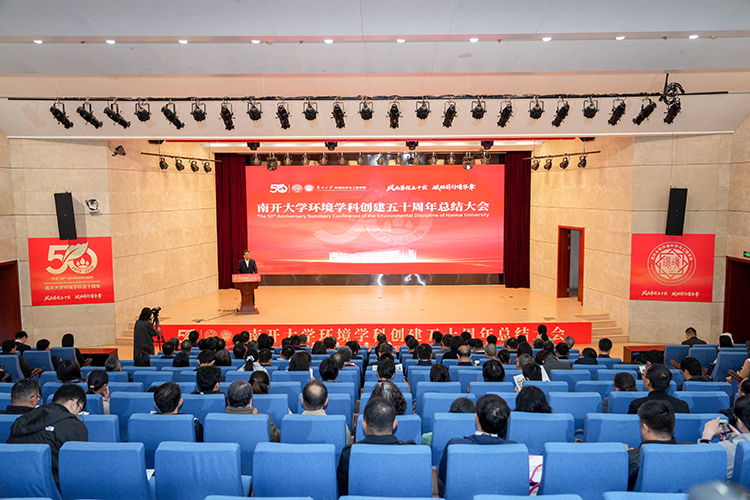
On October 26, Nankai University held a conference on Jinnan Campus to mark the 50th anniversary of its environmental discipline. More than 300 alumni gathered at the Lecture Hall of the West Building, to celebrate the milestone.
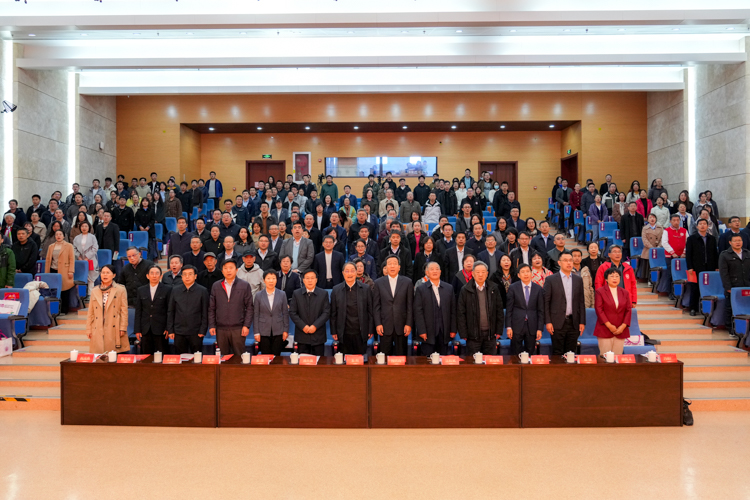
The event opened with the solemn playing of the national anthem.
Attendees included: Yang Qingshan, Secretary of the CPC Nankai University Committee; Jiang Guibin, Academician of the Chinese Academy of Sciences and Research Fellow at the Research Center for Eco-Environmental Sciences, Chinese Academy of Sciences; Liu Congqiang, Academician of the Chinese Academy of Sciences and Professor at Tianjin University; Zhang Yuanhang, Academician of the Chinese Academy of Engineering and Professor at Peking University; Zhang Tao, Secretary of the Leadership Group of Tianjin Ecology and Environment Bureau; Zhu Tan, founding dean of the College of Environmental Science and Engineering at Nankai University; leaders of environmental institutions from peer universities; national-level leading talent representatives in the environmental field; leaders and experts from universities, research institutes, and partner institutions nationwide; alumni representatives; leaders of internal functional departments and sister schools that have long supported the discipline’s development; as well as representatives of retired faculty, current faculty, and students from the College of Environmental Science and Engineering. The event was chaired by Feng Yinchang, Chair of the College of Environmental Science and Engineering.
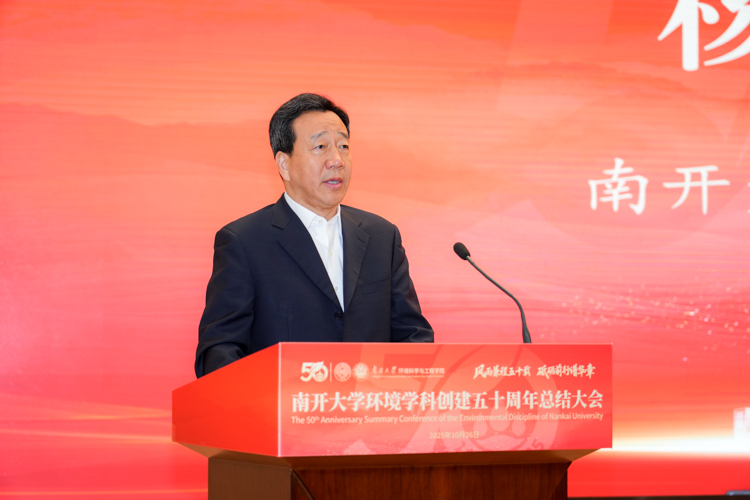
Speaking on behalf of the university,Yang Qingshan extended a warm welcome to attendees and expressed heartfelt gratitude to faculty members, students, alumni at home and abroad, and friends from all walks of life who have long supported the growth of the environmental discipline and the university as a whole. Yang noted that over the past five decades, Nankai has advanced the development of its environmental discipline under the guidance of its motto—“Dedication to Public Interests, Acquisition of All-round Capability, Aspiration for Progress with Each Passing Day”. Upholding this spirit, the university has steered the discipline to move in step with the times and with the nation’s evolving needs, committed to strengthening the country and promoting scientific progress. Over the years, the university has ensured that the discipline remains at the forefront of environmental talent cultivation and scientific research in China, staying true to its mission of educating talent forthe country, working diligently and steadfastly, and making steady progress toward its goal of becoming a world-leading discipline. By taking the 50th anniversary of the environmental discipline as a new starting point, he called on the College to faithfully follow President Xi Jinping’s expectations, thoroughly implement Xi Jinping Thought on Ecological Civilization, and to fully implement the guiding principles of the 20th CPC National Congress. With a clear focus on serving the country’s major strategic needs, he urged the College to deepen reforms in cultivating top-tier talent, accelerate the recruitment and development of high-calibre faculty, and strengthen interdisciplinary and collaborative innovation. Yang also encouraged efforts to nurture more outstanding students who embody both ability and social responsibility, contributing greater wisdom and strength to building a strong country and advancing national rejuvenation, and opening new chapters of excellence.
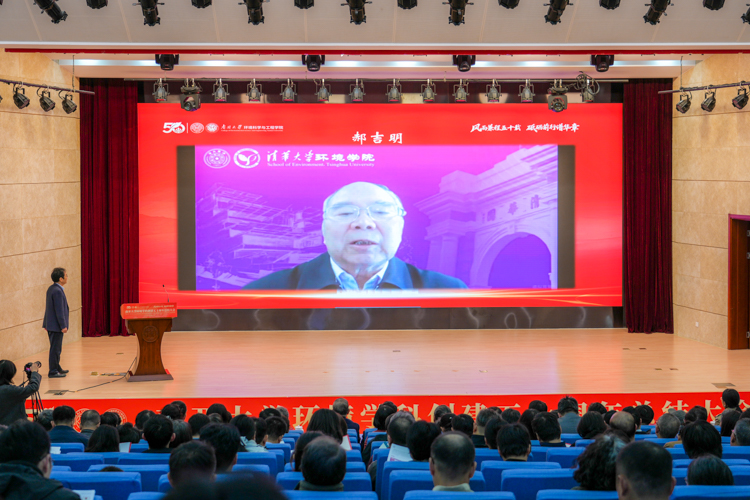
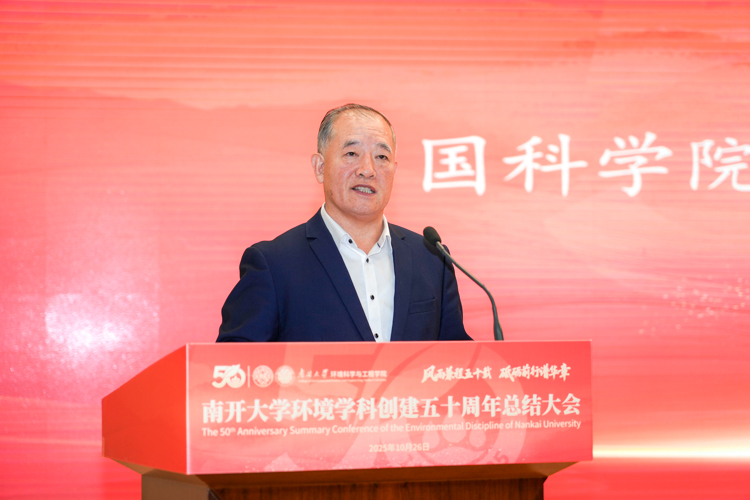
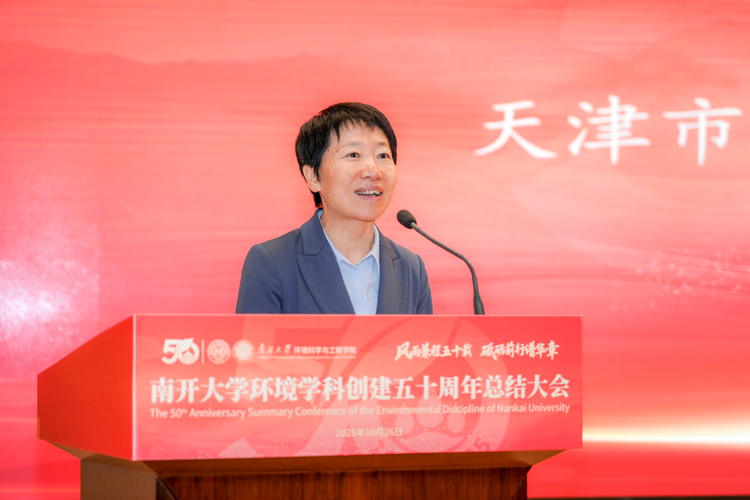
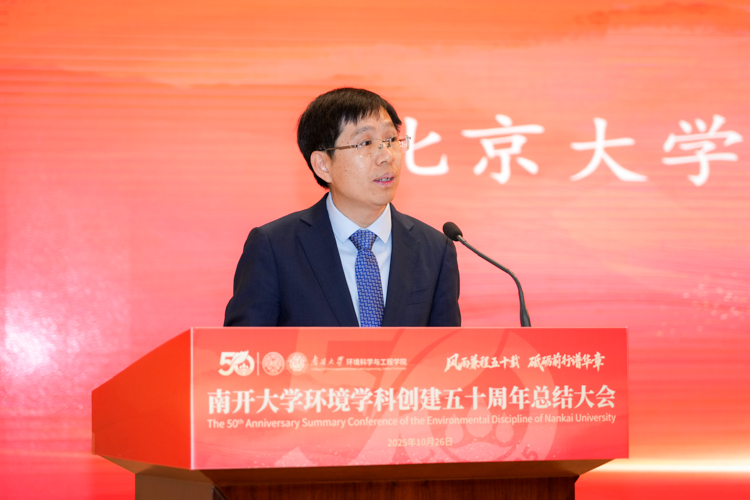
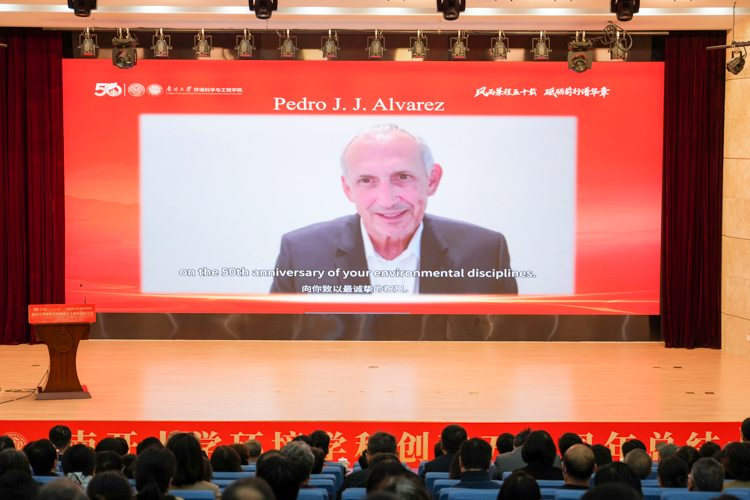
Messages celebrating the 50th anniversary of the discipline were delivered by Hao Jiming, Academician of the Chinese Academy of Engineering and Professor at Tsinghua University; Jiang Guibin; Zhang Tao; Liu Yong, Dean of the College of Environmental Sciences and Engineering at Peking University; and Pedro J. J. Alvarez, Member of the U.S. National Academy of Engineering, Foreign Academician of the Chinese Academy of Engineering, and Chair Professor at Rice University.
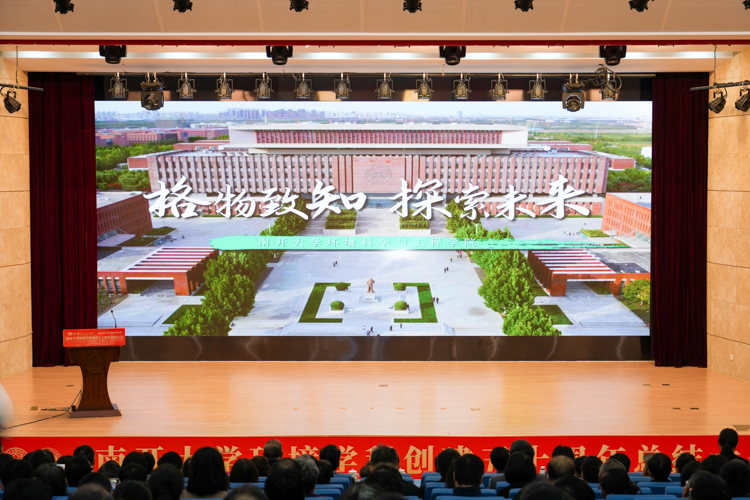
During the event, attendees watched a commemorative documentary, retracing the discipline’s five-decade journey through vivid archival footage and inspiring stories.
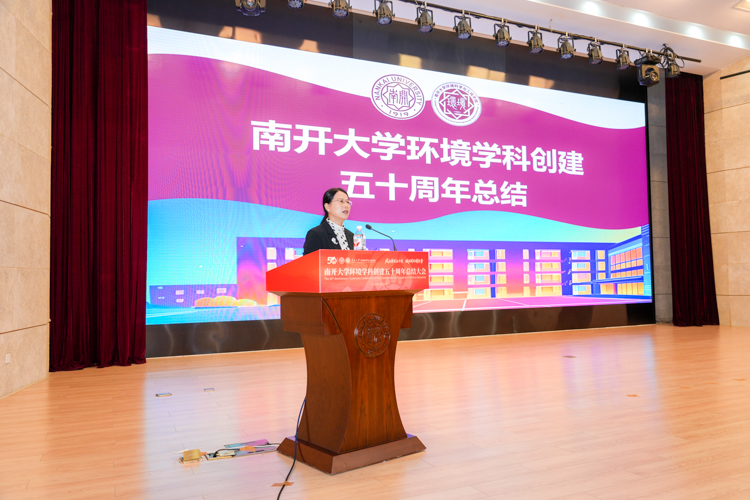
Zhu Lingyan, Dean of the College of Environmental Science and Engineering, delivered a report on the discipline’s development over the past five decades, covering its historical evolution, education and teaching, scientific research, academic publications, and future outlook. She stated that College would take the development of Emerging Engineering Education as a new driver for advancing its environmental discipline, strengthen the recruitment and cultivation of innovative talent, and enhance research innovation through interdisciplinary collaboration. Guided by the four priorities of advancing global research frontiers, supporting economic priorities, addressing major national strategic needs, and safeguarding public health, the College would work to achieve major scientific breakthroughs, deepen the integration of government, industry, academia, and research to enhance its capacity to serve national strategies, and continue to forge ahead with determination, rise to challenges, and pursue new achievements.
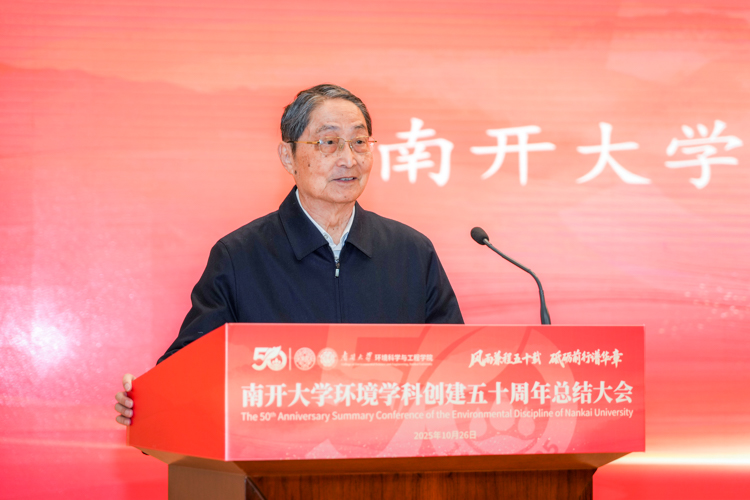
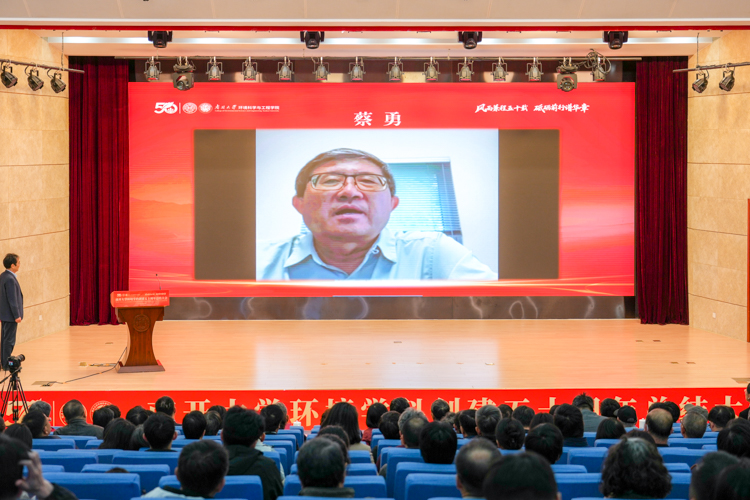
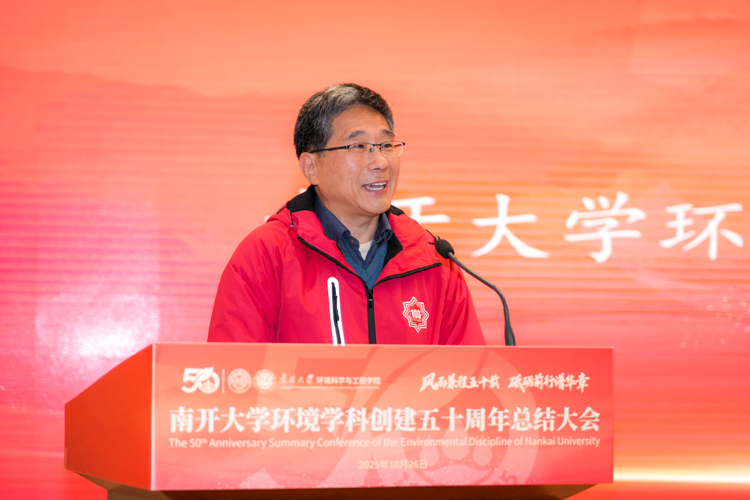
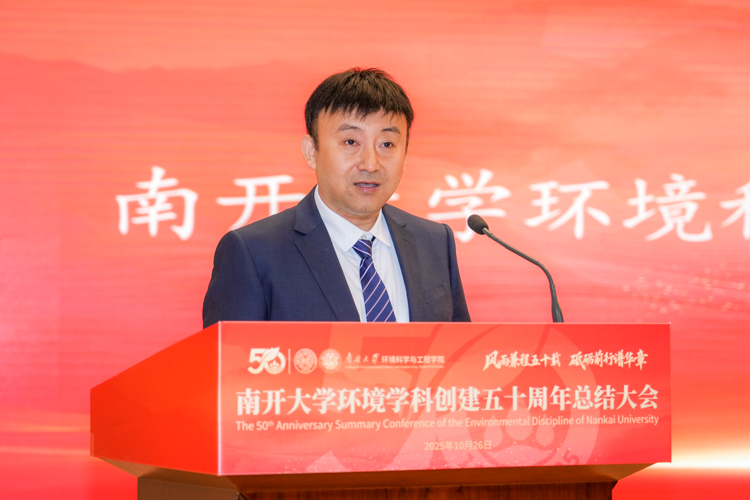
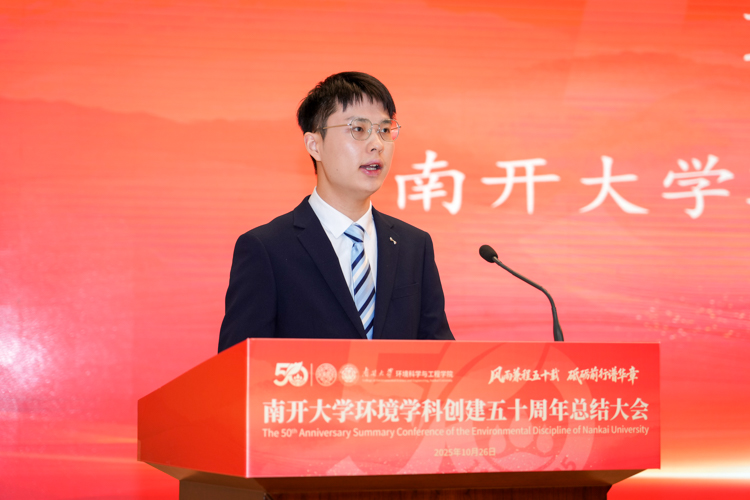
Zhu Tan, the founding dean of the College of Environmental Science and Engineering; Cai Yong, China’s first Ph.D. in Environmental Chemistry, Master’s class of 1983 and Doctoral class of 1986, and Professor at Florida International University; Li Jinhui, Bachelor’s class of 1983 and Master’s class of 1987, and Professor at the School of Environment, Tsinghua University; Wang Lei, Bachelor’s class of 1998 and graduate class of 2002, and Professor at the College of Environmental Science and Engineering; and Wu Junran, undergraduate student in Environmental Engineering, class of 2022, each served as a representative, sharing their personal experiences to recount the stories of members of Nankai’s environmental community and to express their heartfelt affection for and expectations regarding the development of the discipline.
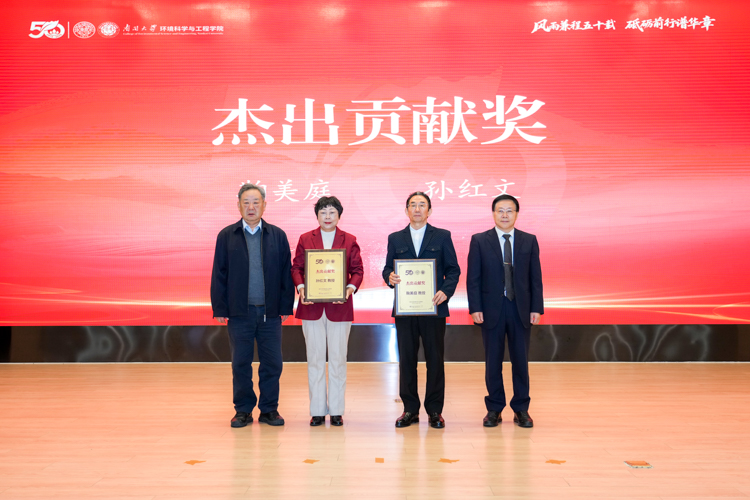
At the event, Liu Congqiang and Zhang Yuanhang presented the Outstanding Contribution Award to Ju Meiting (former Chair of the College) and Sun Hongwen (former Dean of the College).
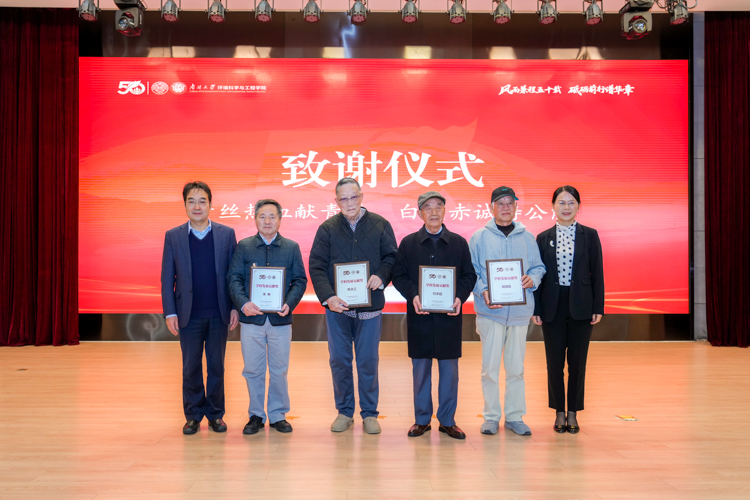
During the retirement tribute session, Feng Yinchang and Zhu Lingyan presented commemorative plaques to retired faculty representatives Chen Tianyi, Fu Xueqi, Hu Guochen, and Zhu Lin, in appreciation of their years of dedicated service.
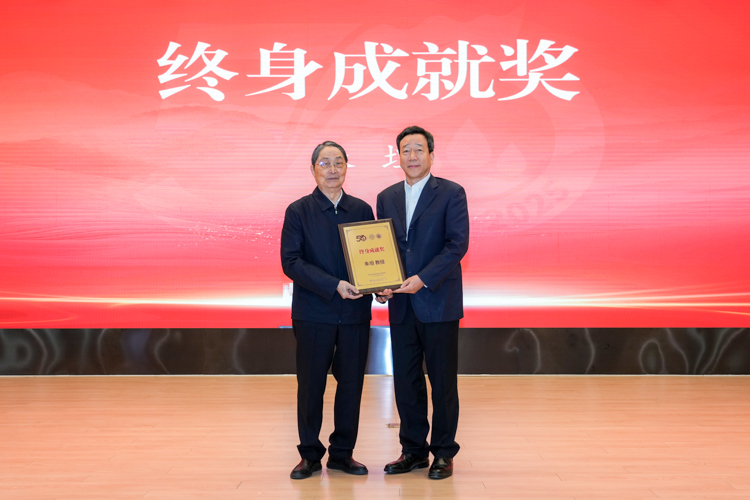
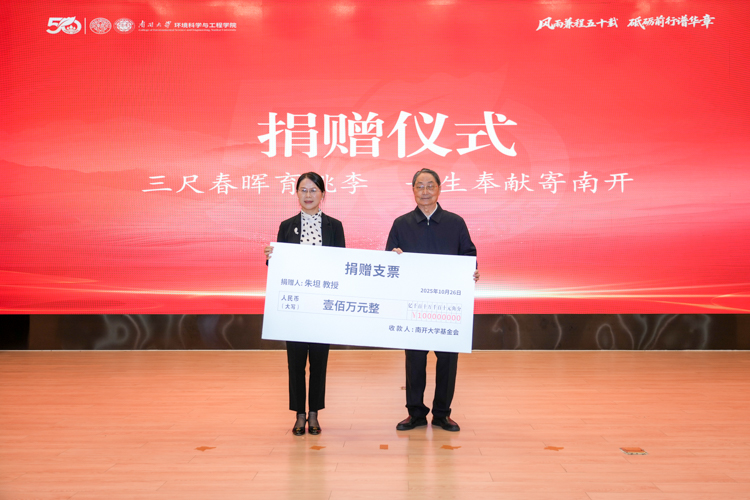
At the event, Zhu Tan made a personal donation to support the College’s discipline development and talent cultivation. Yang Qingshan presented him with the Lifetime Achievement Award for Environmental Discipline Development at Nankai University, while Zhu Lingyan accepted the donation on behalf of the College.
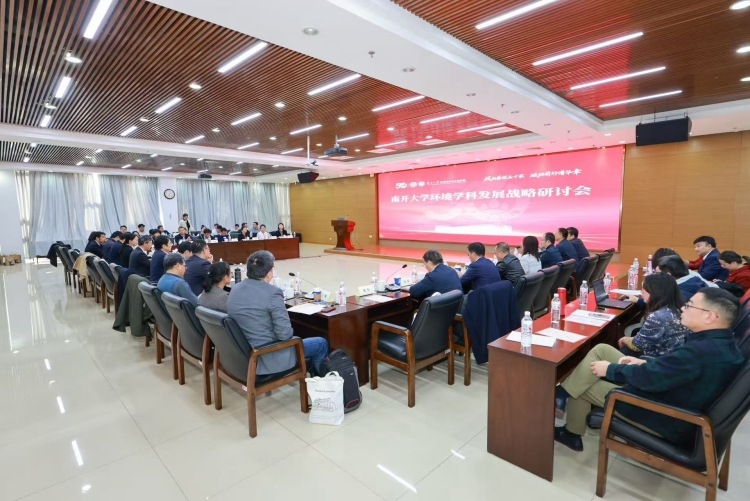
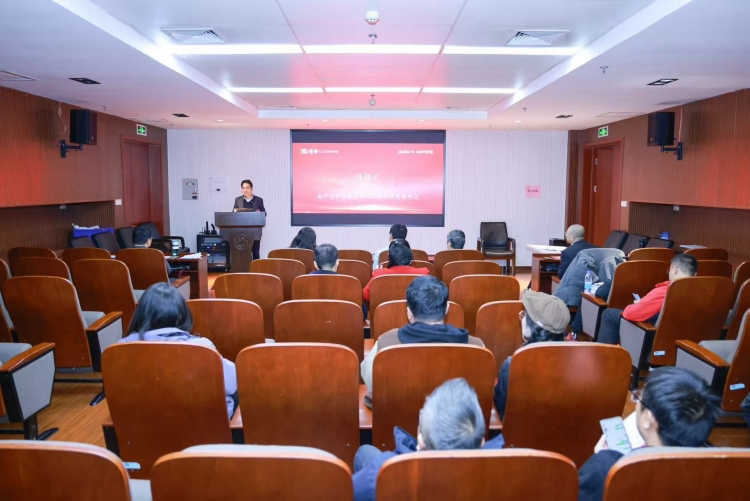
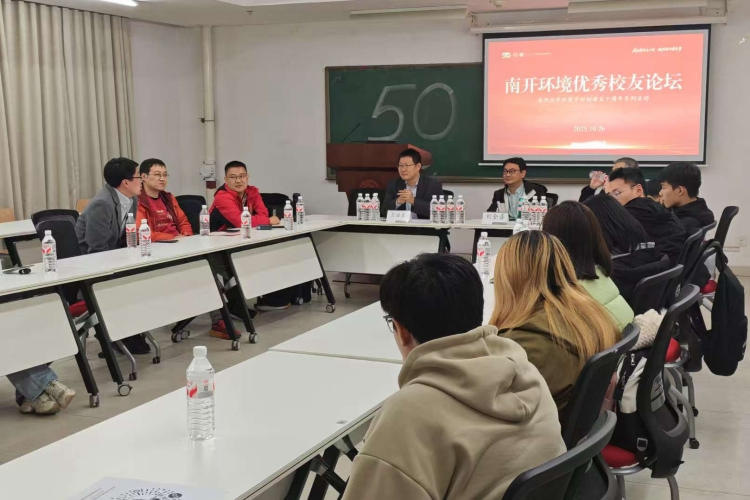
On the afternoon of that day, the Seminar on the Development Strategy of the Environmental Discipline, the Third Alumni Representatives Conference of the Environmental Science and Engineering Discipline, and the Distinguished Alumni Forum of Nankai Environmental Science were held on the Jinnan Campus.
Nankai University’s environmental discipline originated from China’s urgent need for ecological civilization. Following the first UN Conference on the Human Environment in 1972, Nankai pioneered innovation in environmental protection. In 1973, Nankai established a teaching and research division, becoming the first institution in China to carry out education and research in environmental science and engineering. In 1975, Nankai created China’s first Environmental Protection major. In 1983, Nankai established China’s first Department of Environmental Science in a comprehensive university, with renowned environmental chemist Dai Shugui serving as the inaugural head. The department participated in China’s first major environmental project funded by the National Natural Science Foundation, and Dai’s textbook Environmental Chemistry made a significant contribution to the development of undergraduate environmental education in China. In 1986, Nankai became one of the first Chinese institutions authorized to grant doctoral degrees in Environmental Chemistry and established a postdoctoral research station in the field. In 1998, the College of Environmental Science and Engineering was founded, with Professor Zhu Tan as dean. Nankai’s environmental discipline served as the convenor of the first Environmental Science and Engineering Discipline Review Group under the Academic Degrees Committee of the State Council, and in 2001, it was recognized as one of China’s first four national key disciplines in environmental science. In 2024, Environmental Science and Ecology entered the global top 0.1% in the ESI rankings for the first time.
(Edited and translated by Nankai News Team.)

38 Tongyan Road, Jinnan District, Tianjin, P.R.China 300350 94 Weijin Road, Nankai District, Tianjin, P.R.China 300071
Copyright: Nankai University All Rights Reserved