


Nankai University Team Achieves New Breakthrough in the Designing of Strongly Coupled Structures for Photonic Devices
A research team from Nankai University, in collaboration with teams from Tsinghua University, Shanghai Jiao Tong University, and the National Center for Nanoscience and Technology, has published a paper titled “Designing Strongly Coupled Polaritonic Structures via Statistical Machine Learning” in Proceedings of the National Academy of Sciences (PNAS). The study proposes a novel statistical machine learning framework that enables accurate and efficient design of photonic devices with strongly coupled structures, offering a new solution for developing high-performance nanophotonic materials.
Yang Yang, an assistant professor at School of Statistics and Data Science, Nankai University, and Guo Xiangdong, an associate professor at the School of Materials Science and Engineering, Shanghai Jiao Tong University, are co-first authors of the paper. Liu Jun, a professor in the Department of Statistics and Data Science at Tsinghua University, Deng Ke, an associate professor in the Department of Statistics and Data Science at Tsinghua University, and Dai Qing, a professor at the School of Materials Science and Engineering, Shanghai Jiao Tong University, are corresponding authors.
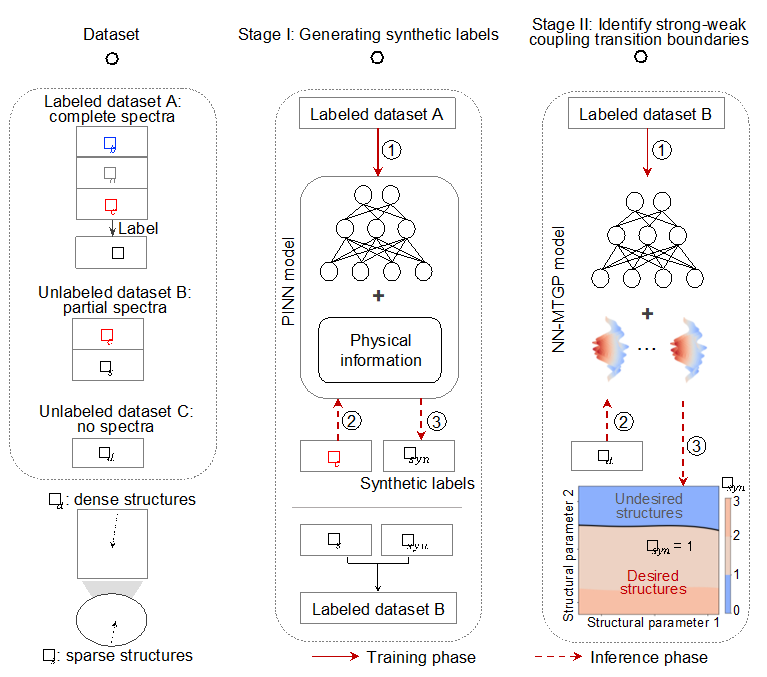
Figure 1. Two-stage hybrid machine learning framework.
The study develops a two-stage hybrid machine learning framework that integrates a physics-informed neural network (PINN) as the first-stage model and a neural network–enhanced multi-task Gaussian process (NN-MTGP) as the second-stage model. By combining the interpretability of physical laws, the representational power of neural networks, and the uncertainty quantification capability of statistical models, the framework systematically addresses key challenges in designing strongly coupled structures.
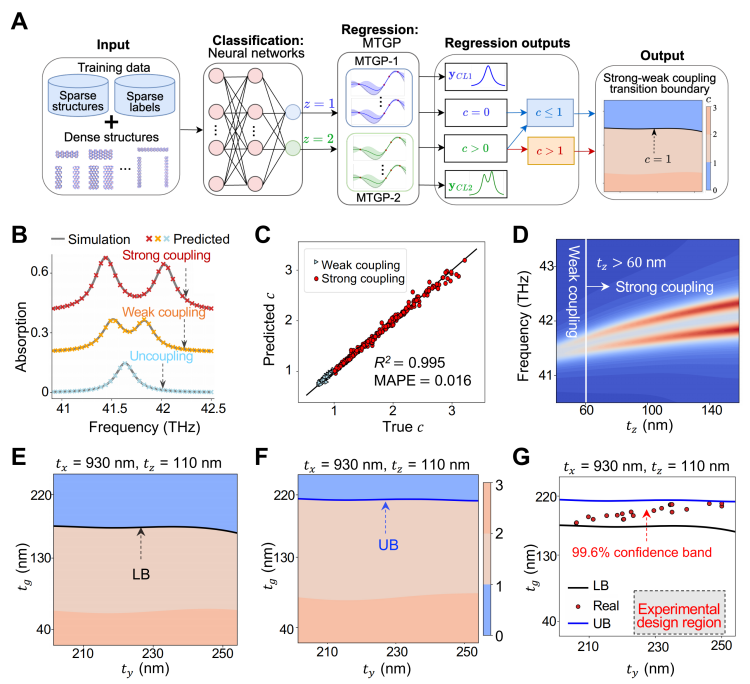
Figure 2. Model prediction performance on simulated data.
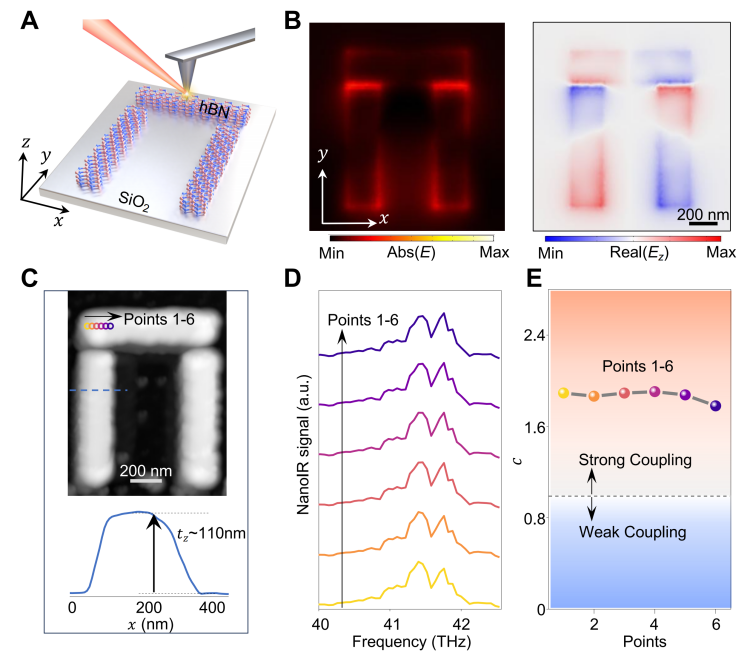
Figure 3. Model validation results on experimental data.
Experimental results highlight the framework's superior performance in designing hexagonal boron nitride polaritonic structures. It predicts the transition boundary between strong and weak coupling with an accuracy of 98.4% and achieves a design speed approximately 10,000 times faster than conventional finite element methods. In addition, the framework supports strongly coupled design across a wide range of photonic structures, providing a powerful tool for the development of chip-scale photonic integrated devices.
These findings provide a new paradigm for the efficient design of strongly coupled photonic systems and establish a solid theoretical and technical foundation for the development of next-generation photonic devices. The work is expected to facilitate broad applications in fields including biomolecular sensing, photonic chips, and polariton chemistry.
Link to the paper: https://www.pnas.org/doi/10.1073/pnas.2526690122
(Edited and translated by Nankai News Team.)

38 Tongyan Road, Jinnan District, Tianjin, P.R.China 300350 94 Weijin Road, Nankai District, Tianjin, P.R.China 300071
Copyright: Nankai University All Rights Reserved