

Nankai University Holds 2025 Annual Meeting of Insurance and Actuary 40 Forum
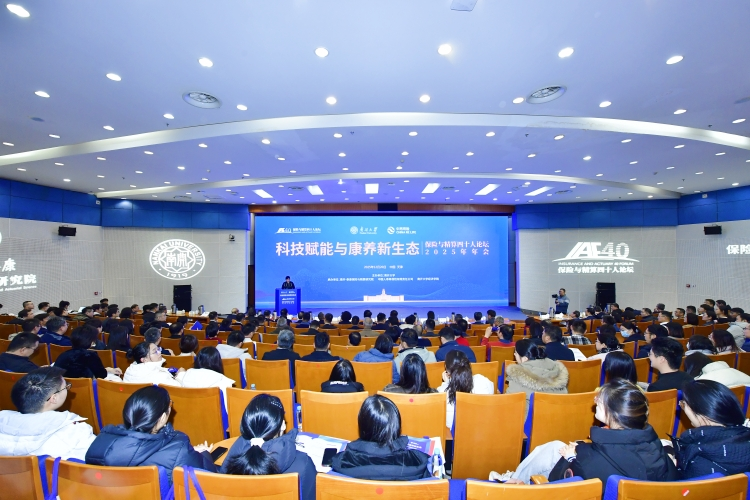
On December 20, the 2025 Annual Meeting of Insurance and Actuary 40 Forum was held at the Chern Building on Balitai Campus, Nankai University. The event was organized by Nankai University and jointly undertaken by the Nankai-Taikang College of Insurance and Actuarial Science, China Life Reinsurance Company Ltd., and the School of Economics at Nankai University, with the theme “Technology-enabled Development and the New Health and Elderly Care Ecosystem”.
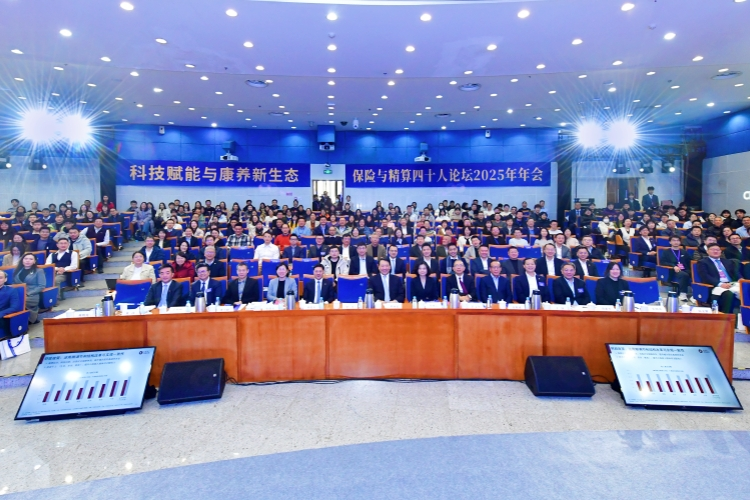
This forum was attended by: Liang Tao, former Vice Chairman of the former China Insurance Regulatory Commission; Zhu Xiaoyun, Deputy Secretary of the Party Committee and Vice President of China Reinsurance (Group) Corporation; Li Mingguang, Member of Party Committee and Vice President of China Life Insurance (Group) Company, and Party Secretary and President of China Life Insurance Company Limited; Liu Tingjun, President and Chief Operating Officer of Taikang Insurance Group; Xu Jinghui, former Chairman of China Pacific Life Insurance Co., Ltd.; Peng Wensheng, Chief Economist of China International Capital Corporation Limited (CICC) and Dean of CICC Global Institute; Zhang Xiaolei, Executive Vice President and Secretary-General of the China Association of Actuaries; Li Xiaolin, Professor at Central University of Finance and Economics and Vice President of the Insurance Society of China; Wei Li, Professor at Renmin University of China and Director of the Insurance Research Institute of China; Zhao Yubo, President of Shenzhen Institute for Innovative Design; Tian Meipan, Member of Party Committee, President Assistant of China Re Group, and Vice President of the China Association of Actuaries; Gong Xingfeng, President of New China Life Insurance Co., Ltd.; Shi Weiyu, Deputy Secretary of the Party Committee and General Manager of Ping An Insurance (Group) Co of China Ltd.; Yu Yong, Party Secretary of the Party Committee and President of China Life Asset Management Company Limited; Fu Anping, former Party Secretary of the Party Committee and President of PICC Life Insurance Company Limited; Liu Kaijun, General Manager of Yingda Insurance Asset Management Co., Ltd.; Liu Qu, Vice President, Chief Financial Officer, Chief Actuary, and Chief Risk Officer of Taikang Insurance Group; Zhang Chensong, Chairman of Sun Life Everbright Life Insurance Co., Ltd.; Li Qi, Party Secretary of the Party Committee and General Manager of China Life Reinsurance Company Ltd.; Huang Tao, Party Secretary of the Party Committee and General Manager of Guomin Pension Insurance Company Limited; Wu Aijun, General Manager of Heng An Standard Life Insurance Company Limited; Zhang Xiaodong, Founder and CEO of Shanghai MediTrust Health Technology Group Co., Ltd.; Cui Wei, General Manager of Aviva-COFCO Life Insurance Co., Ltd.; Cai Lianhe, General Manager of Ruitai Life Insurance Co., Ltd.; Chen Wujun, General Manager of Pramerica Insurance Asset Management Company Limited; Zhang Zhiming, General Manager of China Post & Capital Fund Management Co., Ltd.; Shi Xiaokai, Chief Executive Officer of FuSure Reinsurance Company Limited; Zhou Wei, President of Union Property & Casualty Insurance Company Limited; Shi Xiang, General Manager of Rongsheng Property & Casualty Insurance Co., Ltd.; Gu Wei, former Deputy General Manager of Sunshine Insurance Group; Zhang Lei, Founder and CEO of Cheche Group; Liu Yang, Founder and CEO of Fenzi Laboratory (Shanghai Ziyan Information Technology Consulting Co., Ltd.); Wei Ming, Co-founder & CTO of OCTA Innovations; Wu Jing, General Manager of Tencent Healthcare Insurance; as well as experts and scholars from the fields of insurance, technology, investment, consulting, and other related sectors.
Attending the forum included Chen Yulu, Vice Chairman of the Financial and Economic Affairs Committee of the National People’s Congress, President of Nankai University, and Chairman of the Insurance and Actuary 40 Forum; Huang Xinping, Co-Dean of the Nankai-Taikang College of Insurance and Actuarial Science and former Executive Vice President of Taikang Life Insurance Co., Ltd. Li Xiufang, Dean of the Nankai-Taikang College of Insurance and Actuarial Science and Secretary-General of the Insurance and Actuary 40 Forum, presided over the main session.
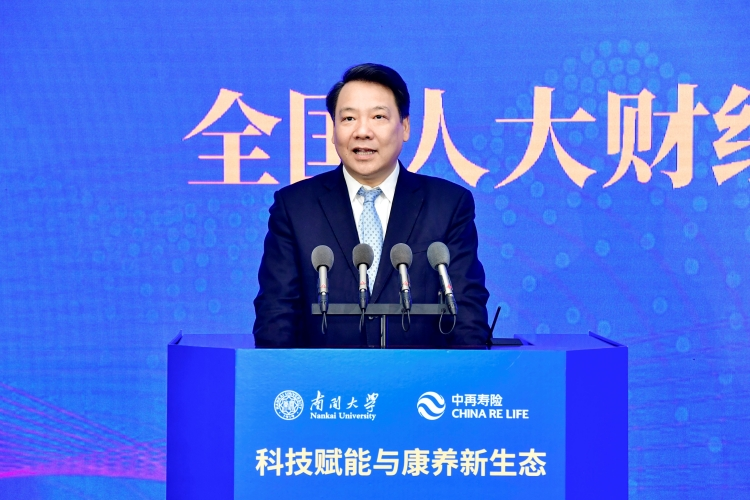
In his opening remarks, Chen Yulu congratulated the annual meeting of the forum on its successful convening. He highlighted that China’s economy, strengthened by more than seven decades of development and over four decades of reform and opening-up, is built on solid foundations and demonstrates strong resilience. He spoke highly of the strategic value of “investing in people”, noting that addressing challenges posed by the new industrial revolution and demographic change hinges on high-quality population development and increasing investment in key areas including education, talent cultivation, healthcare, social security, employment, and childcare. He also praised the forum’s theme for its scientific relevance, stressing the need to leverage technology to support elderly care while balancing the needs of both older and younger generations, thereby promoting sustainable social development.
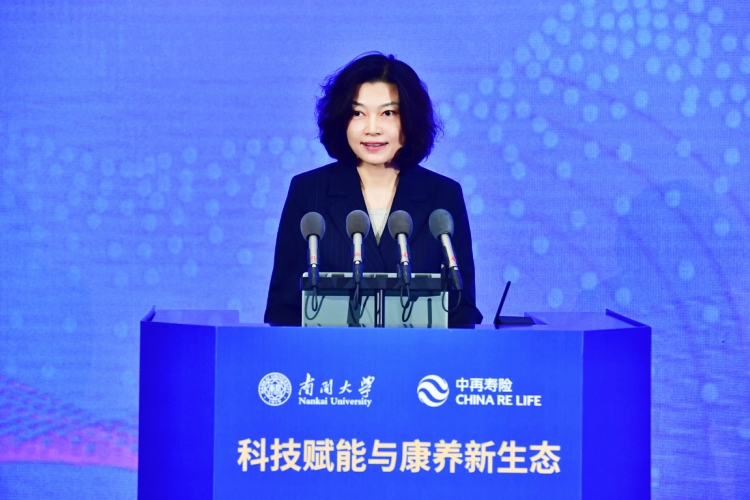
Zhu Xiaoyun, speaking on behalf of China Life Reinsurance Company Ltd., expressed gratitude to Nankai University for its strong support. In her keynote address, titled “Focusing on Reinsurance’s Functional Role to Comprehensively Serve National Strategies”, she emphasized the principle of “insurance as the foundation, technology as the bridge, ecosystem as the arena”, and build an insurance ecosystem so that insurance can extend beyond risk protection to provide integrated, end-to-end services across the full chain and full life cycle. Facing current difficulties and challenges, she called for stronger industry-wide coordination and joint responses.She noted that the company, often described as the “insurer of insurers”, should serve as “driving force” “connector” and integrator” within the insurance ecosystem by deepening industry understanding through professional research, strengthening data collaboration to energize the insurance ecosystem, and enhancing cross-sector integration to improve operational efficiency. In doing so, the company would better exercise its professional leadership, optimize service provision, and jointly foster the development of a distinctive Chinese insurance ecosystem.
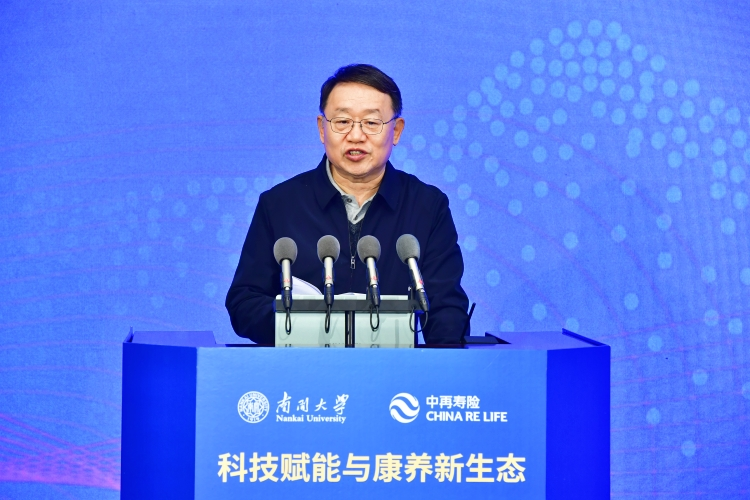
In his presentation titled “Artificial Intelligence Enabling a New Ecosystem for Insurance, Healthcare and Elderly Care”, Liang Tao noted that AI has become a key force in addressing pain points in elderly care services, demonstrating significant application potential in areas such as health management, daily care, home-based care, and emotional support. He also cautioned that the application of AI in the healthcare and elderly care sectors requires close attention to three major risks: data and information security, AI-generated and synthetic content, and excessive technological dependence. With regard to industry development, Liang proposed four key pathways: upholding a people-centered approach, promoting the deep integration of technology with healthcare and elderly care, strengthening digital foundations, and jointly building an integrated healthcare–elderly care-insurance ecosystem. He called on the industry to strengthen innovation-driven leadership and promote the sound and orderly development of the “AI + elderly care services” model, so that older adults can genuinely share in the benefits of AI-driven progress.
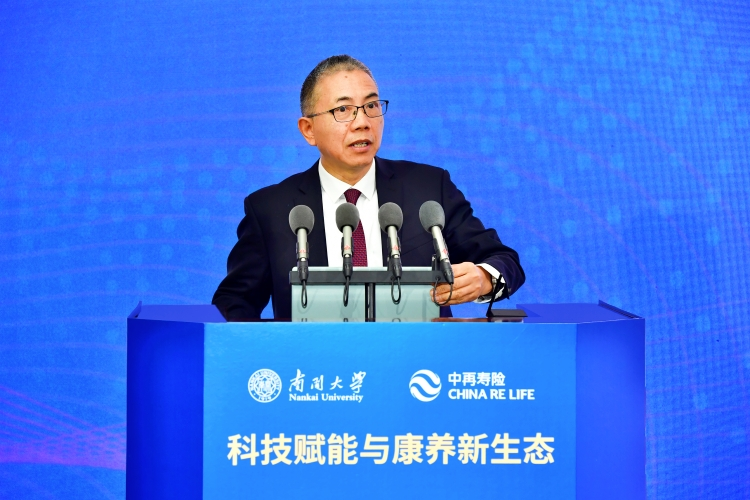
Peng Wensheng spoke on “Fiscal–Monetary Policy Coordination from an Economies-of-Scale Perspective”. He noted that at the current stage of development, cross-cycle and counter-cyclical policy measures are aligned in direction, with policy efforts focused on boosting domestic demand. He emphasized that green industries and artificial intelligence possess significant economies-of-scale advantages and have become important drivers of economic growth. He also pointed out new structural features in China’s external circulation, including the steadily rising share of capital goods exports. Peng stressed that fully leveraging economies of scale to expand aggregate demand is key. He recommended strengthening fiscal–monetary policy coordination and activating the drivers of domestic circulation through measures such as improving social security provision, easing debt burdens, and increasing investment in livelihood-related areas, thereby laying a solid foundation for high-quality economic development.
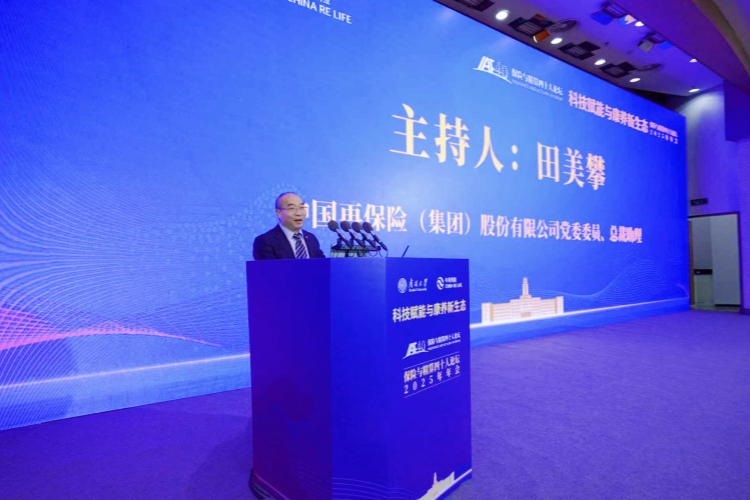
Additional presentations were delivered by Li Mingguang, Liu Tingjun, and Shi Weiyu, with Tian Meipan presiding over the keynote session.
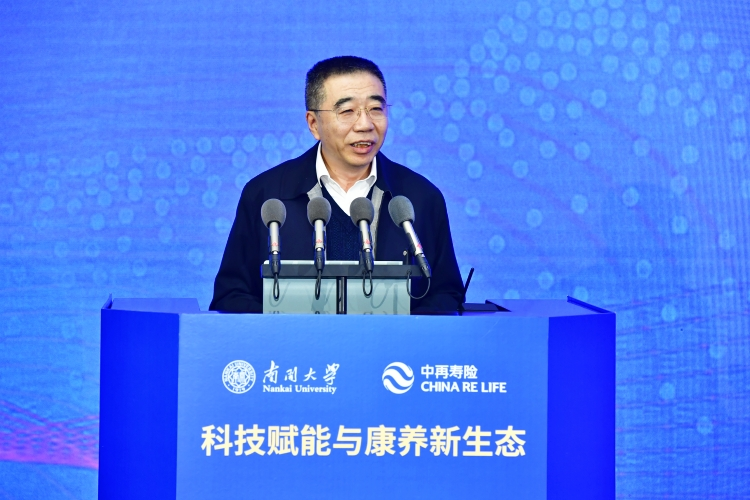
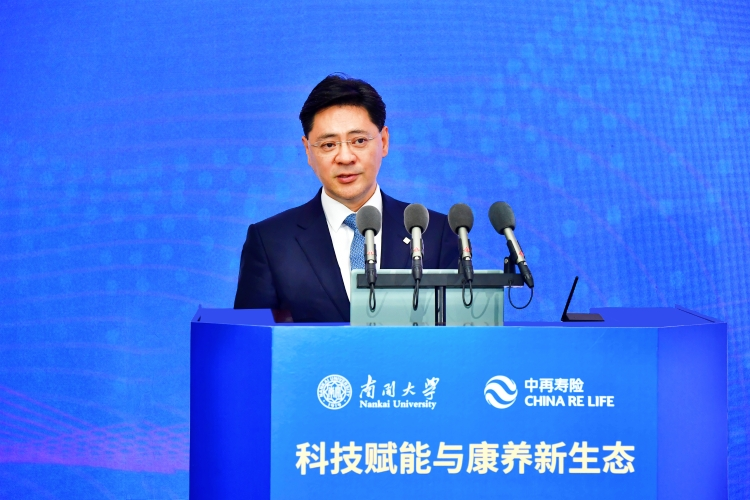
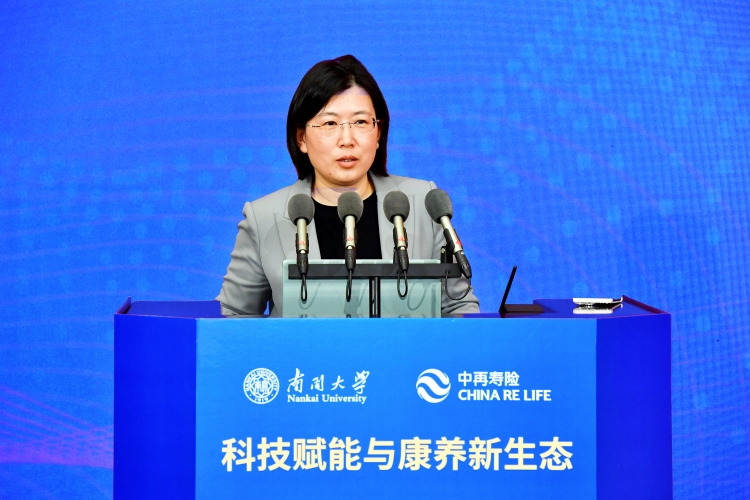
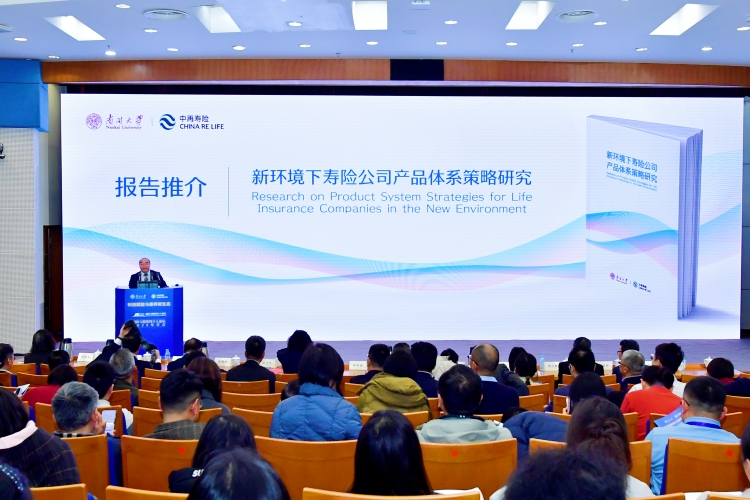
The forum also featured the presentation of the research report “Research on Product System Strategies for Life Insurance Companies in the New Environment”, jointly prepared by China Life Reinsurance Company Ltd. and Nankai University. Focusing on the challenges faced by the life insurance industry in a low-interest-rate environment, the report presents an analysis of key pathways for transformation, eight major patterns observed in the evolution of product systems in mature overseas markets, and a classification framework based on the underlying risk structure of actuarial science and liability characteristics, providing a systematic solution for the transformation of life insurance product systems, and helping foster self-sustaining drivers of high-quality development in China’s insurance industry during the 15th Five-Year Plan period (2026-2030).
In the afternoon, the forum also featured two parallel sub-forums and four roundtable sessions. At the sub-forum “Technology-enabled Development and the New Health and Elderly Care Ecosystem: Reshaping Future Life”, speakers Gong Xingfeng, Yu Yong, Huang Tao, and Wu Jing delivered keynote presentations on: “A New Engine for the Silver Economy: Technology-enabled Home-Based Elderly Care” “Insurance Funds Assisting in Building an ‘Insurance + Health/Elderly Care + Technology’ Ecosystem” “Enhancing Service Value Through Technology: Expanding Elderly Care with Digital and Intelligent Solutions”, and “AI Large Models Boosting the Efficiency of Smart Medical Insurance Handling—Enhancing Insured Persons’ Sense of Gain”. At the sub-forum “Medical Insurance Development and the Integration of Technology & Pharmaceutical Industry During the 15th Five-Year Plan Period”, speakers Xu Jinghui, Feng Lan (Vice President of China Pharmaceutical Innovation and Research Development Association), Liu Qu, and Wang Mingyan (General Manager of Product Development Department, China Life Reinsurance Company Ltd.) delivered presentations on: “Thoughts on Commercial Medical Insurance Development During the 15th Five-Year Plan Period” “Innovations Brought by Pharmaceutical Technology Development to the Insurance Industry” “The Positioning and Development Models of Medical Insurance for Life Insurers During the 15th Five-Year Plan Period”, and “Research on Product System Strategies for Life Insurance Companies in the New Environment of the 15th Five-Year Plan Period”.
Additionally, four roundtable sessions were held concurrently: “The New Health and Elderly Care Ecosystem and the Insurance Industry’s Response” “Technological Innovation and Insurance” “Opportunities and Challenges for Insurance Investment Amid the Transition from Old to New Growth Drivers”, and “Advancing Medical Insurance During the 15th Five-Year Plan Period: Practical Pathways and Future Prospects for Technology-enabled Development and Pharmaceutical Collaboration”.
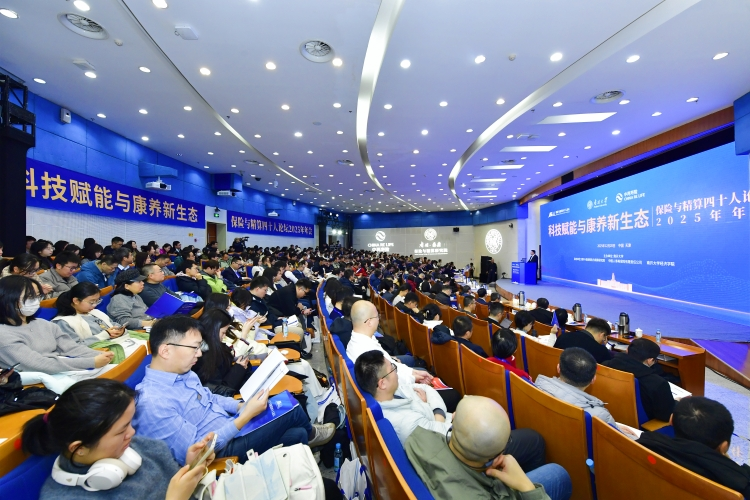
The Insurance and Actuary 40 Forum, officially launched in November 2023, is an academic platform initiated by Nankai University. Focusing on major issues in insurance, actuarial science, risk governance, and financial security, the forum promotes in-depth discussion through thematic dialogues, tracking and analytical updates, expert lectures, and systematic research. It seeks to unlock the theoretical and technical potential of actuarial science in supporting the modernization of national governance, explore insurance theories and risk management frameworks with Chinese characteristics, and provide valuable advisory reports and policy recommendations to support both industry development and government decision-making.
(Edited and translated by Nankai News Team.)

38 Tongyan Road, Jinnan District, Tianjin, P.R.China 300350 94 Weijin Road, Nankai District, Tianjin, P.R.China 300071
Copyright: Nankai University All Rights Reserved