

Nankai University Co-organizes the Fifth China Conference on Intelligent Sensing and Fusion
The Fifth China Conference on Intelligent Sensing and Fusion was recently held in Tianjin, bringing together more than 600 experts and scholars from universities, research institutes and enterprises across China to discuss frontier theories, key technologies and industry applications in intelligent sensing and information fusion.
The conference was hosted by the Chinese Association for Artificial Intelligence (CAAI) and co-organized by the CAAI Committee on Intelligent Fusion, Nankai University, Tianjin University, Civil Aviation University of China, Beijing University of Posts and Telecommunications, Tianjin University of Technology, and the CAAI Transactions on Intelligent Systems.
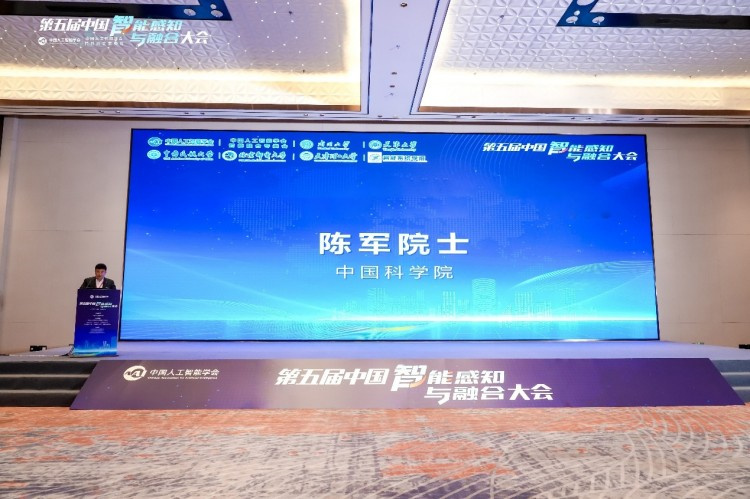
At the conference, Chen Jun, academician of the Chinese Academy of Sciences and Executive Vice President of Nankai University, introduced the university’s discipline development and talent cultivation in artificial intelligence. He noted that the university has prioritized emerging engineering fields represented by College of Artificial Intelligence, College of Computer Science and College of Elite Engineers in recent years. He expressed hope that more outstanding talent would join Nankai University and that the conference would serve as an opportunity for participating scholars to engage in in-depth exchanges, strengthen collaboration and jointly advance the upgrading of intelligent sensing and fusion technologies.
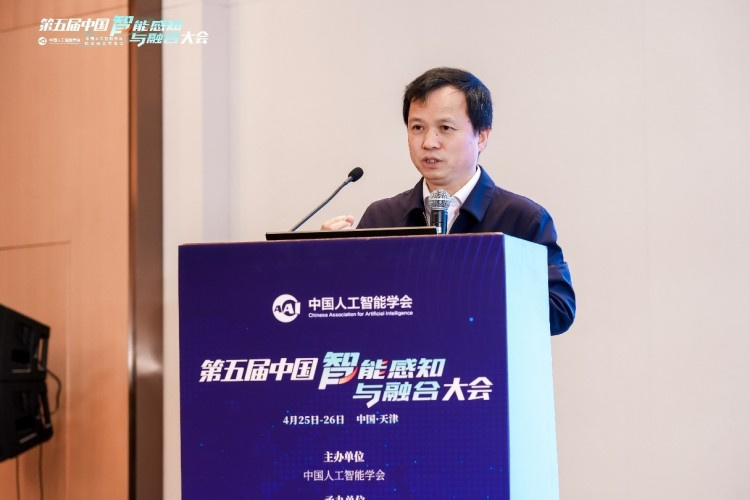
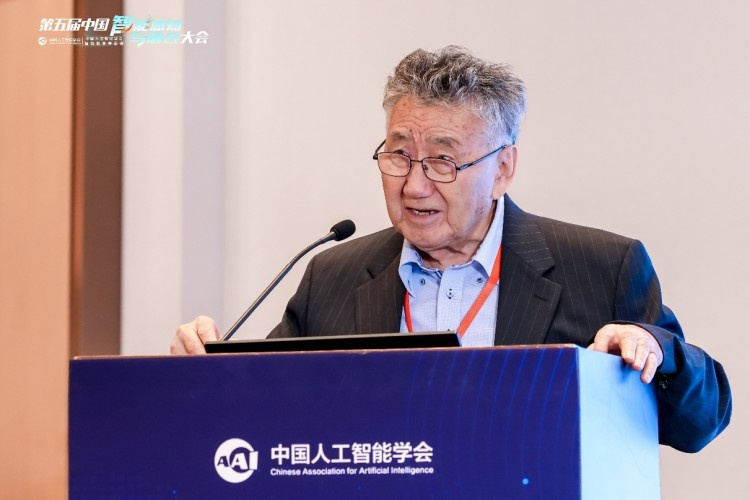
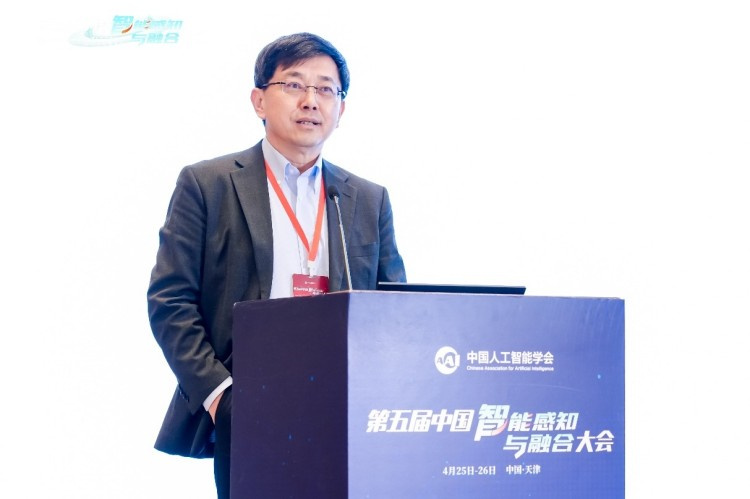
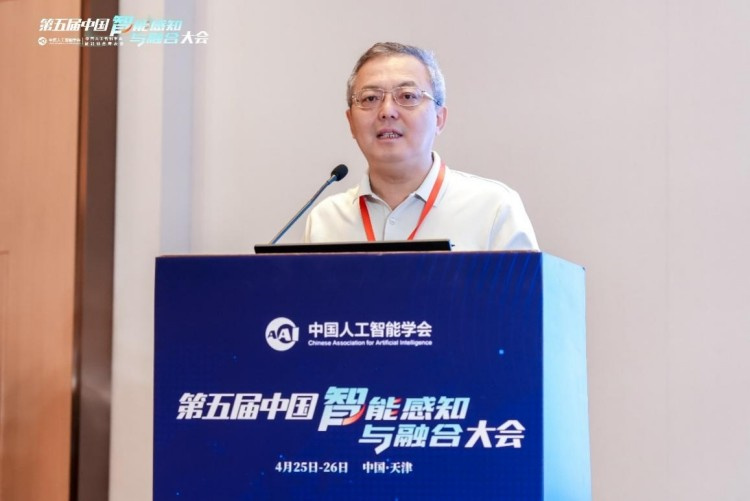
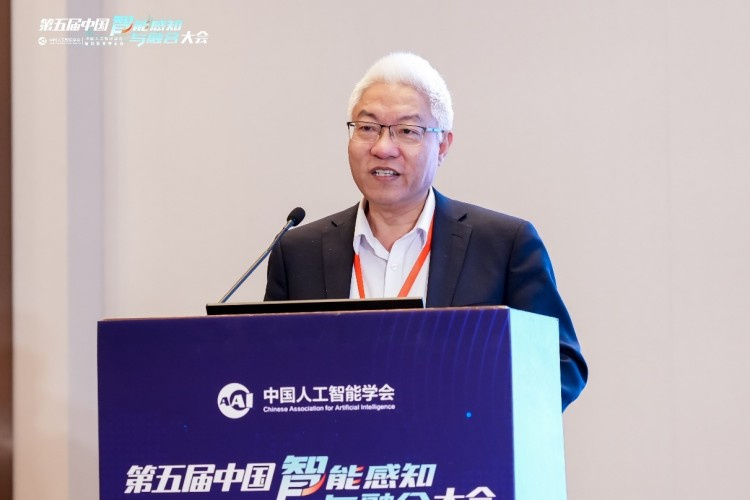
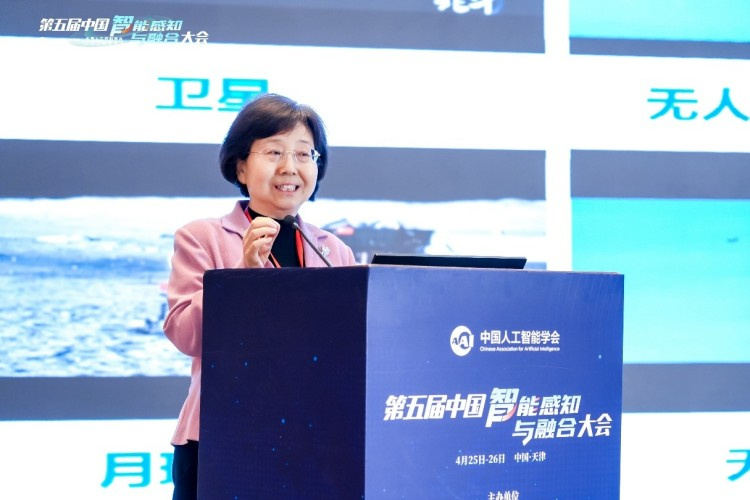
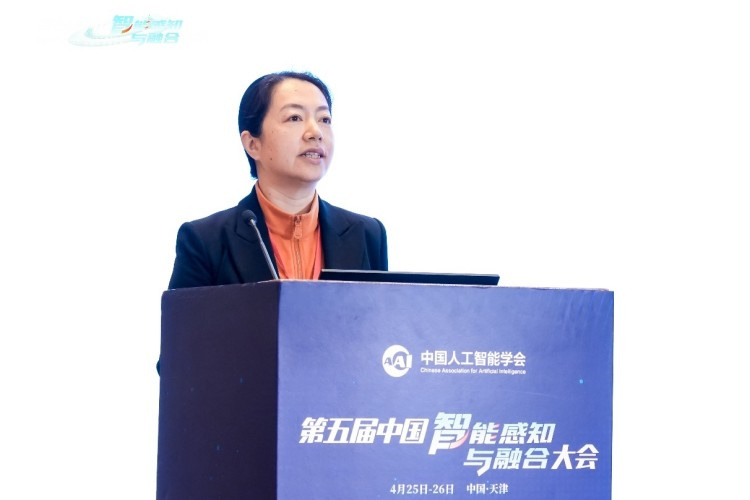
During the keynote session, leading experts delivered speeches on topics including sensing theory, multimodal fusion, visual intelligence, big data processing and industrial application. Speakers included Hu Shimin, an academician of the Chinese Academy of Sciences and professor at Tsinghua University; Wushour Silamu, an academician of the Chinese Academy of Engineering and professor at Xinjiang University; Zhang Wenjun, an academician of the Chinese Academy of Engineering and professor at Shanghai Jiao Tong University; Yun Xiaochun, an academician of the Chinese Academy of Engineering and Deputy Director and Chief Engineer of the National Computer Network Emergency Response Technical Team/Coordination Center of China (CNCERT/CC); Deng Zhongliang, an academician of the Chinese Academy of Engineering and professor at Beijing University of Posts and Telecommunications; Zhang Yanning, an academician of the Chinese Academy of Sciences and Vice President of Northwestern Polytechnical University; and He Yuanzhi, an academician of the Chinese Academy of Sciences and chief scientist at Academy of Military Sciences.
Zhuang Yueting, a professor at Zhejiang University; Zhou Jie, a professor at Tsinghua University; Zhang Yongdong, a professor at the University of Science and Technology of China; Jin Hai, a professor at Huazhong University of Science and Technology; Hu Qinghua, a professor at Tianjin University; Cheng Mingming, a professor at Nankai University; and Wang Haifeng, chief technology officer of Baidu, also shared cutting-edge research in their respective fields. Their presentations covered topics such as “Research on Program-Logic-based Cross-Media Intelligence through Collaboration between Large and Small Models”, “Visual Perception for Unmanned Systems”, “Cognitive Security Driven by Social Intelligence”, “Computing Power Networks from the Perspective of Distributed System Evolution”, “Enhanced Reasoning Capabilities and Reliability Evaluation for Large Models”, and “the Evolution from Personalized Generation to Unified Vision Models”.
Parallel sub-forums were also held during the conference. Participants held in-depth discussions on six frontier topics: Low-Altitude Intelligent Sensing and Fusion, Intelligent Fusion of Medical Data, Detection and Recognition of Dim and Small Targets, Multimodal Sensing and Decision-making, Intelligent Gaming for Unmanned Systems, and Marine Information Sensing and Fusion.
(Edited and translated by Nankai News Team.)

38 Tongyan Road, Jinnan District, Tianjin, P.R.China 300350 94 Weijin Road, Nankai District, Tianjin, P.R.China 300071
Copyright: Nankai University All Rights Reserved